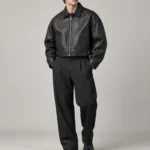
OEM & Private-Label Leather Outerwear
Custom Leather Jacket Manufacturer
Develop custom leather jackets for your fashion, streetwear, motorcycle or lifestyle brand with control over leather type, grain, colour, finish, fit, lining, zippers, hardware, pockets, stitching, branding, labels and packaging.
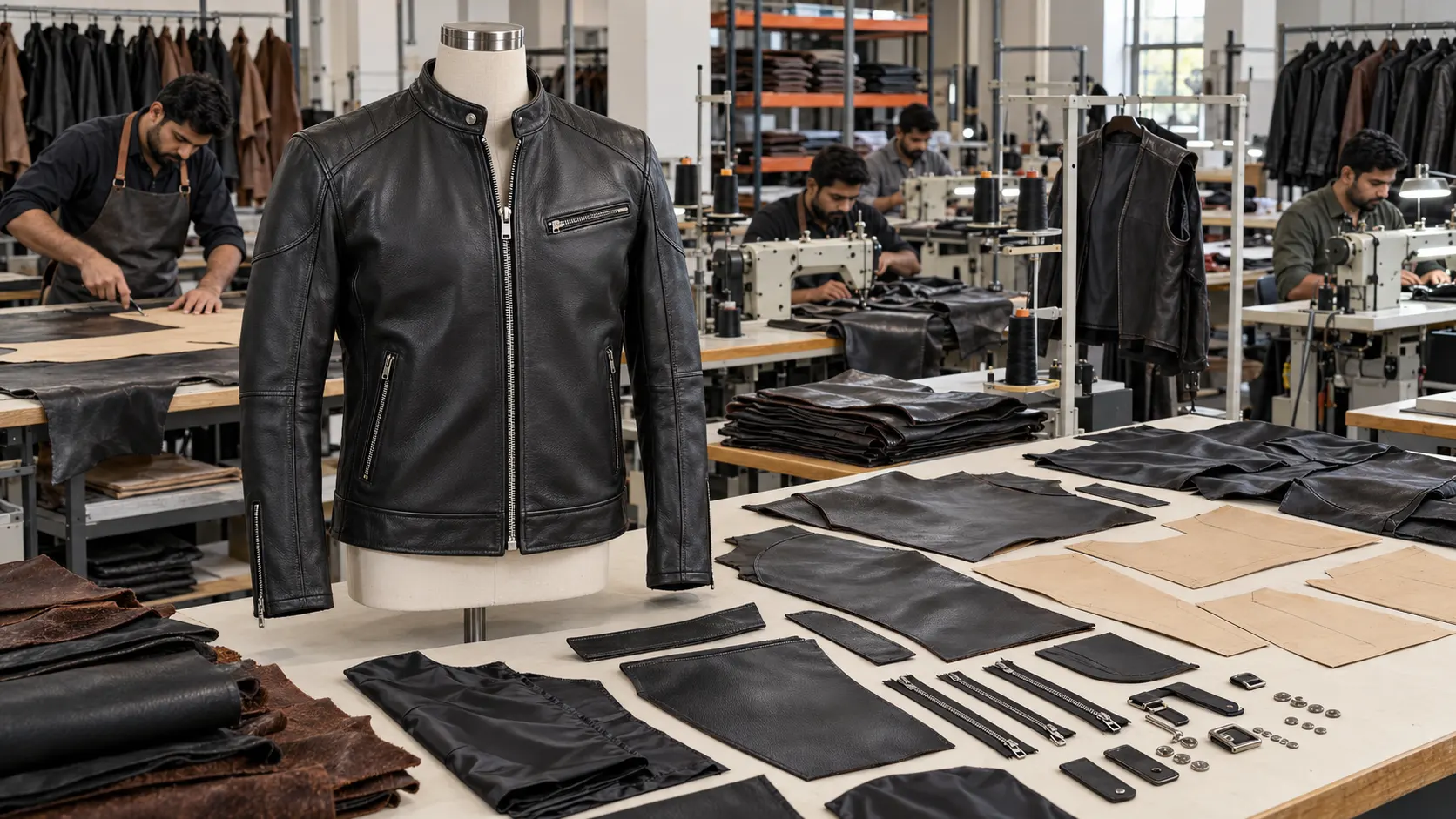
Custom Leather Jacket Manufacturing for Clothing Brands
Stitch Expo develops custom leather jackets for brands that need a product built around their own specifications rather than a stock jacket with a logo added. A leather jacket programme can define the hide or material direction, colour, grain, surface finish, panel layout, fit, lining, pocket construction, zipper system, snaps, buckles, stitching, edge treatment, artwork, labels and packaging.
Leather outerwear requires a different development approach from ordinary woven jackets. Natural leather can vary in grain, shade, stretch, thickness and surface character across a hide, so material selection, panel placement and cutting need to be controlled carefully. The chosen leather must also suit the intended silhouette: a soft fashion bomber, structured biker jacket and lightweight shirt-style leather jacket should not automatically use the same hide, thickness or finish.
Development can begin from a complete tech pack, reference jacket, measurement chart, sketch or clear images. Sampling allows the brand to review leather hand feel, colour, grain, fit, collar shape, sleeve volume, zipper function, pocket placement, lining, hardware, stitching, branding and overall drape before bulk production.
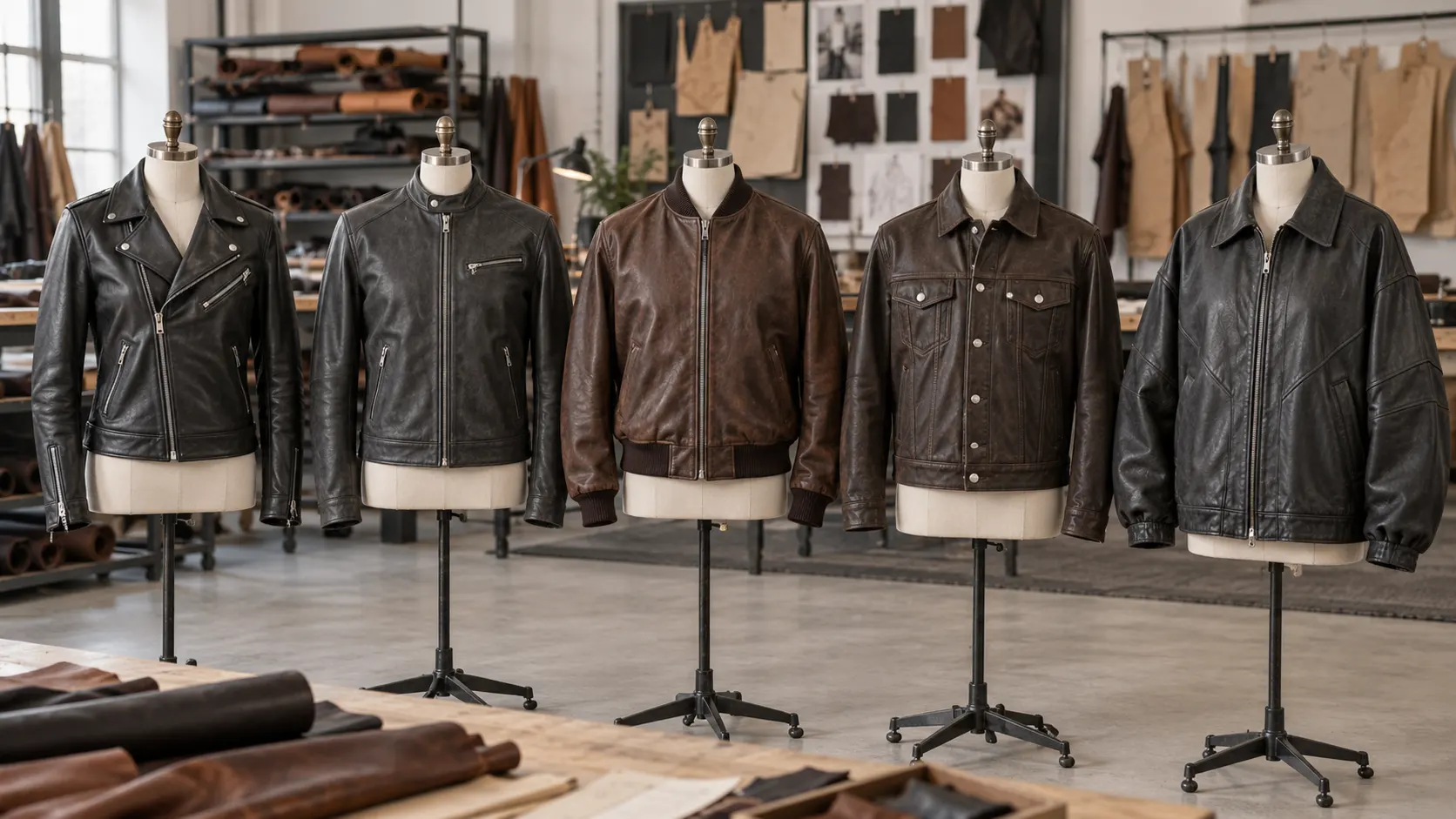
Types of Custom Leather Jackets We Can Develop
Leather jackets can be developed around fashion, streetwear, lifestyle, heritage and motorcycle-inspired silhouettes.
Leather Biker Jacket
Asymmetric or straight-front construction with multiple zippers, lapels, snaps and structured detailing.
Cafe Racer Jacket
Clean stand collar, straight front zipper and minimal paneling for a streamlined silhouette.
Leather Bomber Jacket
Classic bomber proportions with rib collar, cuffs and hem or fully leather-finished alternatives.
Aviator / Flight Jacket
Heritage-inspired leather outerwear with substantial collar, lining and utility details.
Leather Varsity Jacket
Leather body or sleeves combined with rib trims, snaps and private-label decoration.
Leather Trucker Jacket
Denim-jacket-inspired panel construction translated into leather.
Leather Overshirt
Lighter, less structured shirt-jacket direction with button or snap front.
Leather Blazer
Tailored leather outerwear with lapels, shaped body and cleaner formal construction.
Oversized Streetwear Leather Jacket
Relaxed shoulder, wider body and fashion-led proportions with custom finishes where suitable.
Leather Options: Cowhide, Sheepskin, Lambskin, Goatskin, Suede & More
| Leather Direction | Typical Character | Common Uses | Development Considerations |
|---|---|---|---|
| Cowhide | Substantial, durable, structured | Biker, moto, heritage and structured jackets | Weight, grain, stiffness, finish and break-in |
| Sheepskin / Lambskin | Softer, lighter, supple | Fashion, bomber, racer and premium lifestyle jackets | Tear strength, softness, panel size and surface protection |
| Goatskin | Durable with distinctive grain and moderate weight | Heritage, bomber and versatile outerwear | Grain consistency, colour and finish |
| Suede | Soft napped surface | Fashion, western, overshirt and lifestyle styles | Nap direction, stain sensitivity and colour consistency |
| Nubuck | Fine sanded surface with tactile character | Fashion and premium casual outerwear | Surface marking, finish consistency and care |
| Leather Alternatives | Variable hand and surface depending on material | Projects requiring non-animal or cost-specific directions | Composition, durability, heat sensitivity and branding method |
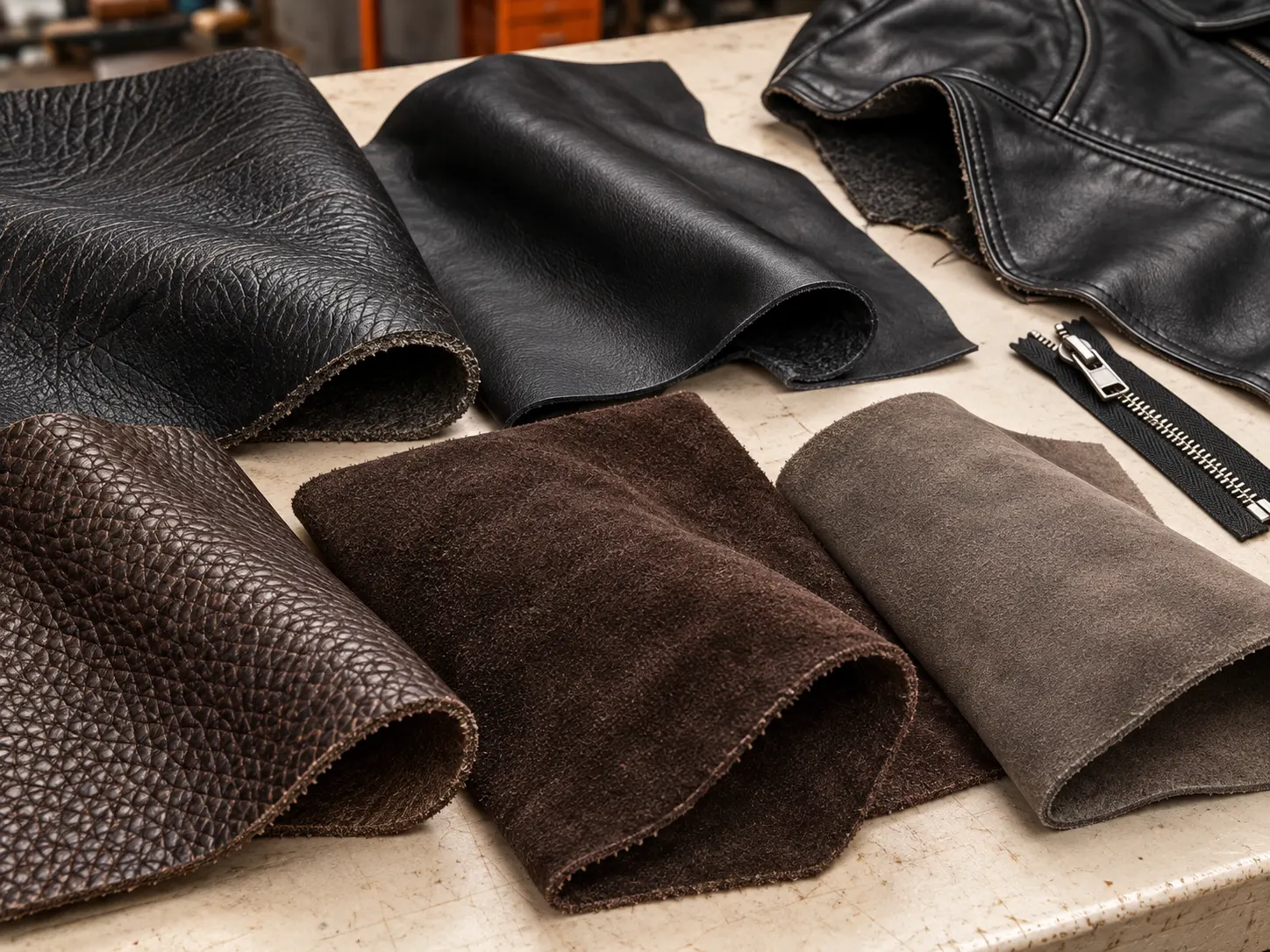
Leather Grain, Colour & Surface Finish
Two jackets cut from the same leather species can look very different depending on grain selection and finishing. A smooth black fashion leather, natural-grain heritage hide, waxy pull-up effect, vintage distressed finish and soft matte nappa-style surface each create a different product identity.
- Smooth matte or semi-matte finishes
- Natural or pronounced grain directions
- Soft nappa-style hand where suitable
- Vintage, worn or distressed effects where technically appropriate
- Waxed or pull-up style finishes subject to sourcing
- Suede and nubuck surface directions
- Custom colour development subject to material and minimums
- Panel-to-panel shade and grain matching during production
Claims about tanning chemistry, environmental certification, vegetable tanning, chrome-free processing or traceability should only be made when the actual supplier documentation supports them.
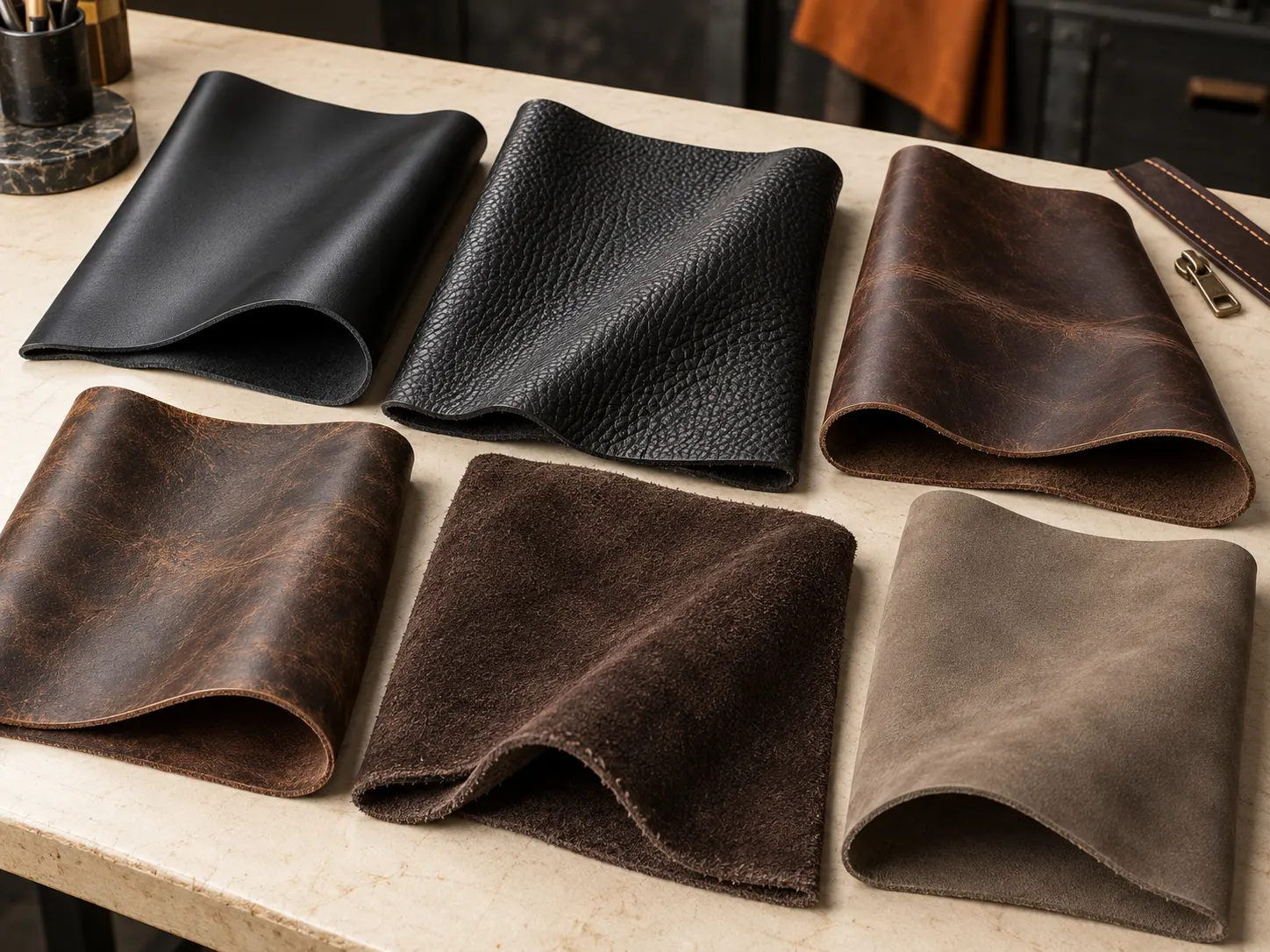
Leather Thickness, Weight, Softness & Drape
Leather thickness is usually specified in millimetres rather than GSM. The right thickness depends on the hide, finish, style and intended structure. A soft lambskin fashion jacket may use a lighter, more supple specification than a structured cowhide biker jacket.
Thickness alone does not determine quality. Temper, grain, fibre structure, finish, stretch and panel selection also affect the way the garment feels and performs. During development, the sample should be evaluated for sleeve movement, collar shape, pocket bulk, seam thickness, drape and overall balance.
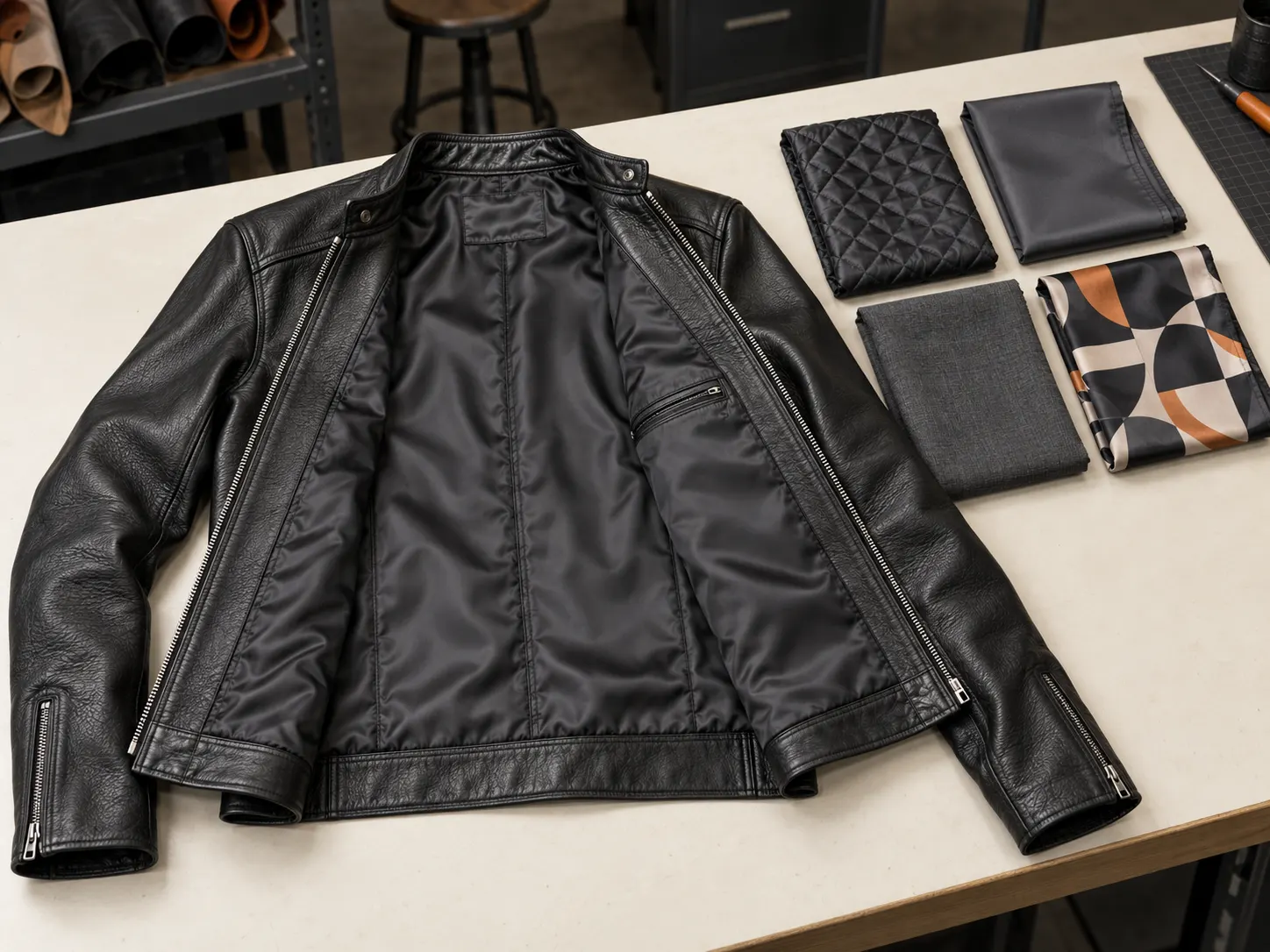
Leather Jacket Lining & Insulation Options
Lining affects comfort, warmth, ease of dressing and the interior presentation of a leather jacket. It also helps cover seam allowances, pocket bags and reinforcement components.
Polyester / Taffeta-Style Lining
Smooth lightweight lining for fashion and general leather outerwear.
Satin-Style Lining
Premium-feel interior for fashion, bomber and private-label styles.
Quilted Lining
Adds warmth and visual structure for colder-weather jackets.
Cotton-Blend Lining
Casual hand and natural-feel direction for selected styles.
Mesh / Breathable Panels
Possible in selected motorcycle-inspired or hybrid designs where appropriate.
Custom Printed Lining
Brand artwork or pattern can be developed on compatible lining material.
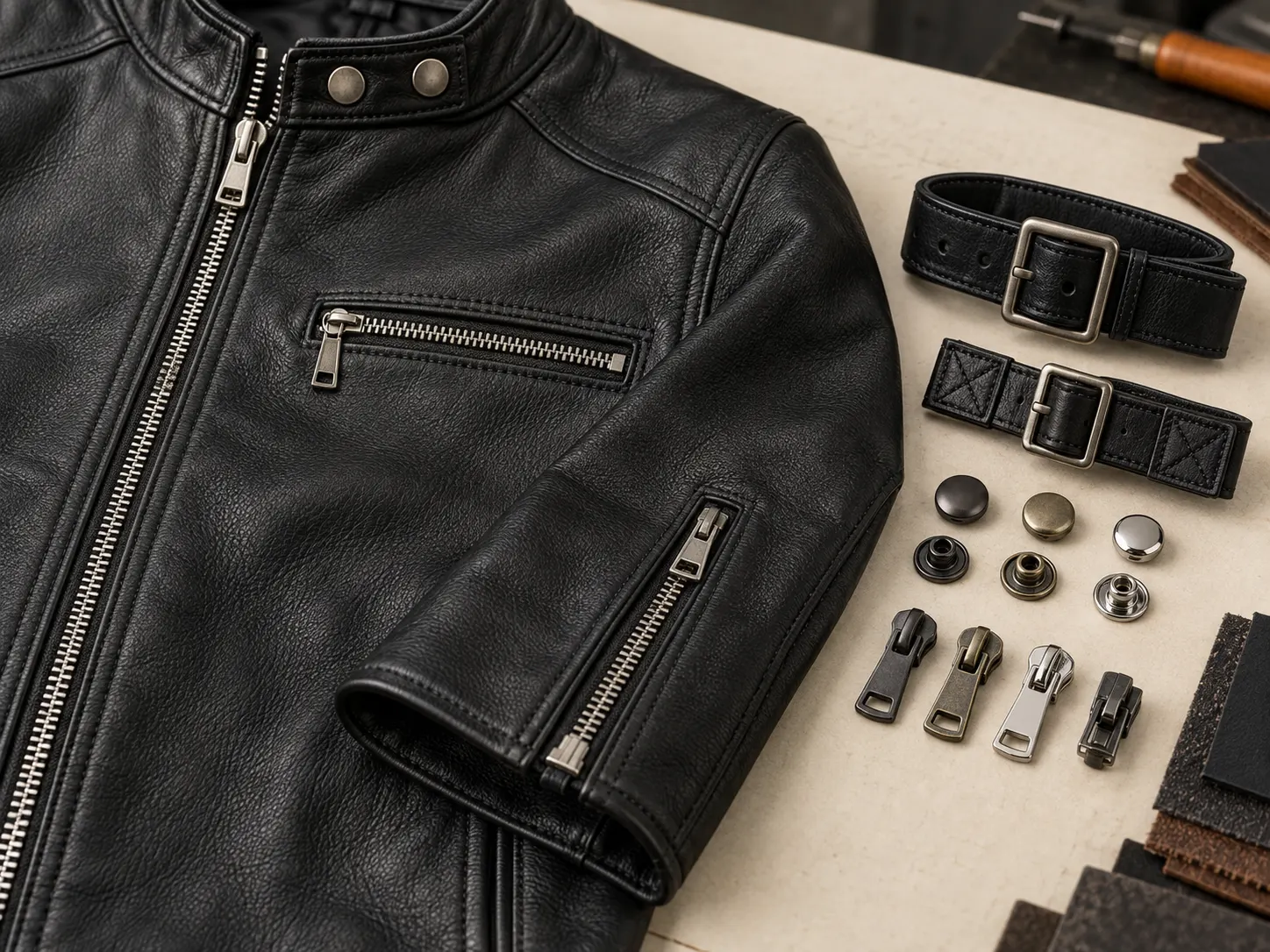
Leather Jacket Zippers, Snaps, Buckles & Hardware
Hardware is a major part of leather-jacket character and function. Zippers, snaps, buckles, adjusters and pullers should match the leather weight and intended aesthetic, while reinforcement prevents stress from being concentrated into the hide.
- Metal front zippers
- Coil or molded zipper directions for selected styles
- Two-way zippers where suitable
- Metal snaps and press studs
- Waist belts and buckles
- Side adjusters
- Wrist zippers
- Pocket zippers
- Custom puller direction subject to tooling and minimums
- Antique, matte, polished or dark hardware finishes
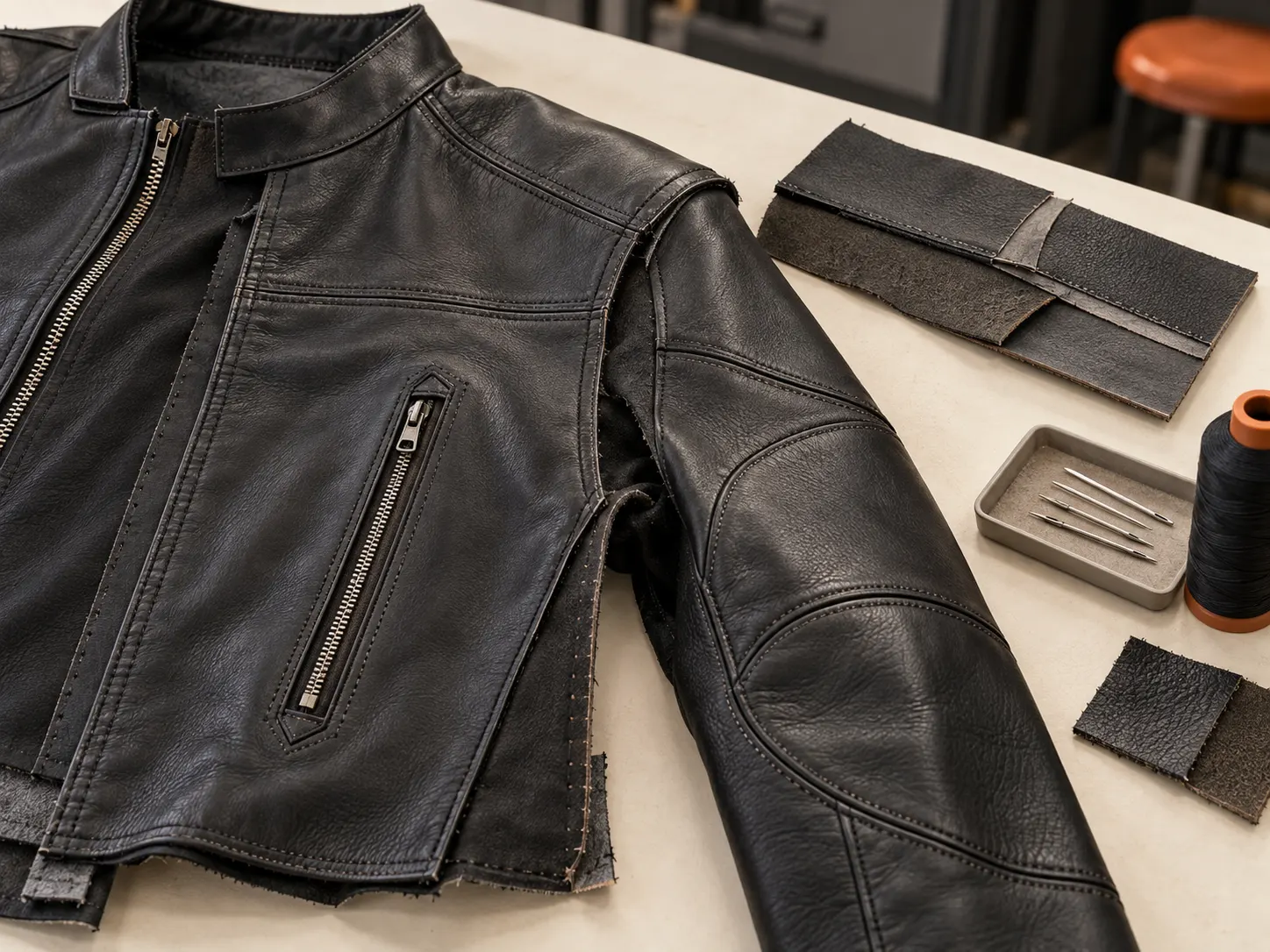
Leather Jacket Panel Construction, Reinforcement & Stitching
Leather cannot be handled exactly like ordinary woven fabric. Needle holes are permanent, seam bulk can build quickly and a panel that has been cut incorrectly cannot simply be reworked in the same way as many textiles. Pattern accuracy, cutting and machine setup therefore matter throughout production.
Depending on the style, leather construction may involve skiving selected seam areas to reduce bulk, reinforcing zipper ends and pocket openings, controlling topstitch distance, matching panel grain and shade, and choosing thread and needle specifications appropriate for the leather.
- Single or double topstitching
- Decorative seam lines and paneling
- Reinforced zipper and pocket areas
- Skived seam allowances where appropriate
- Shoulder and elbow panel reinforcement
- Quilted or padded panel options
- Clean lining attachment
- Controlled seam bulk at collars, cuffs and hems
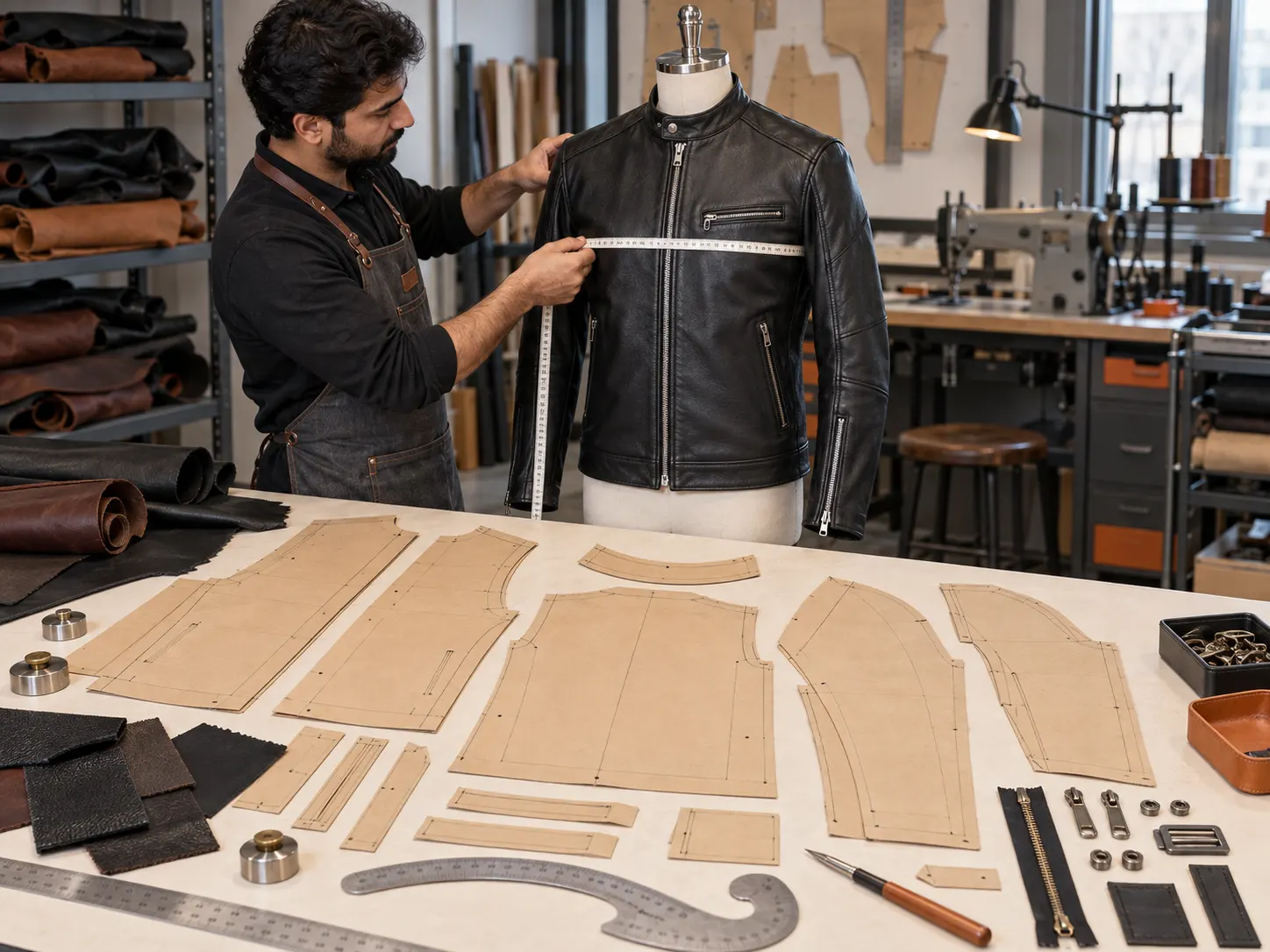
Leather Jacket Pattern Making, Fit & Size Grading
The pattern needs to work with the chosen leather's thickness, stretch and drape. Slim cafe-racer jackets, relaxed bombers, structured bikers, tailored leather blazers and oversized streetwear jackets each require different proportions.
Pattern development should account for layering allowance, shoulder shape, armhole mobility, sleeve pitch, bicep width, collar roll, zipper placement, pocket access and hem opening. For motorcycle-inspired styles, additional movement or reinforcement details may be requested, but protective-motorcycle performance should not be claimed unless the product is specifically designed and tested for the relevant standard.
- Chest and waist width
- Shoulder width
- Body length
- Armhole depth
- Sleeve pitch, length and bicep
- Cuff opening
- Collar dimensions
- Bottom opening
- Pocket position
- Finished measurements after lining and hardware
After the base sample is approved, the pattern can be graded into the required size range. See our pattern making in clothing manufacturing guide.
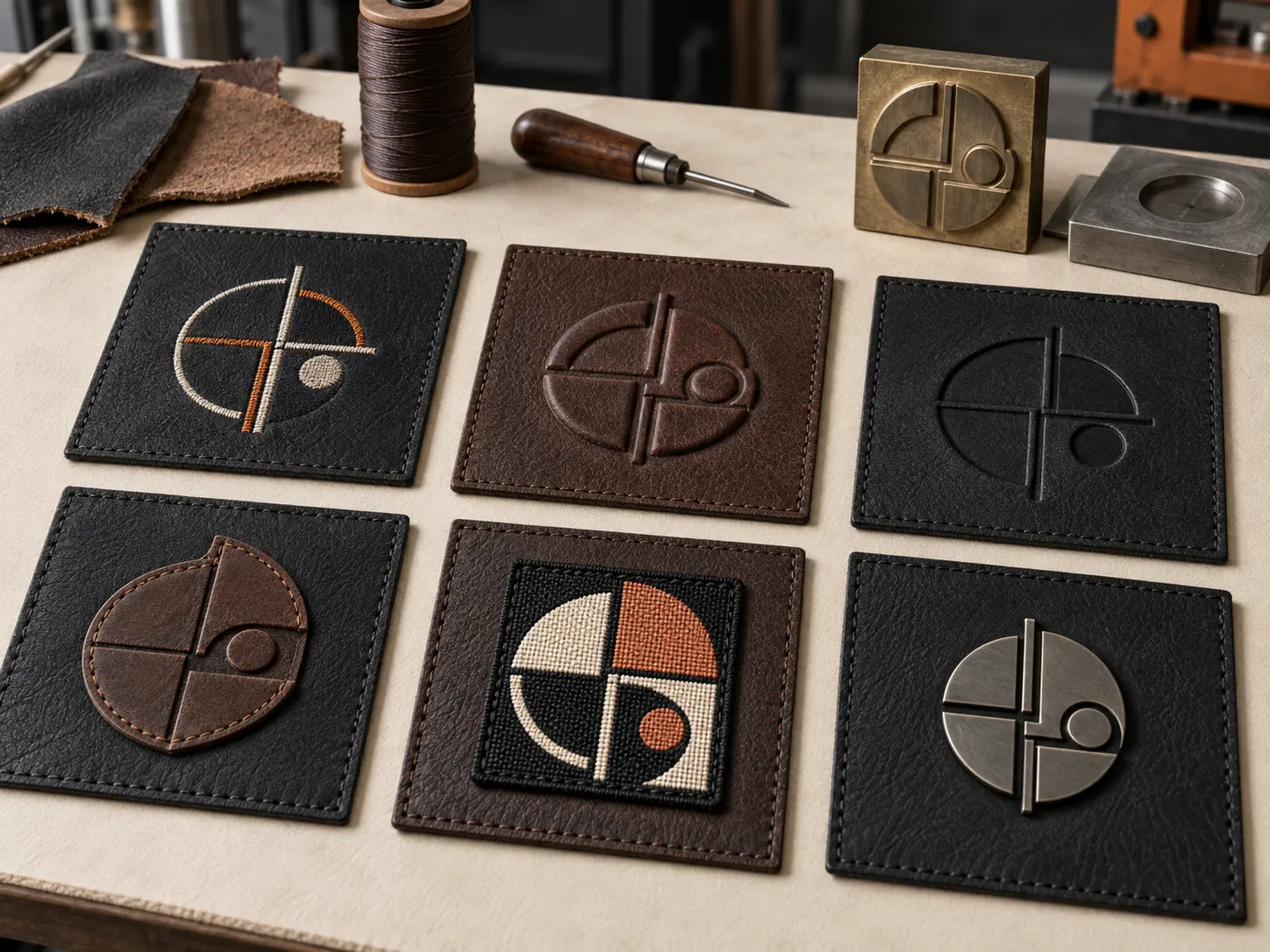
Embroidery, Embossing, Debossing, Patches & Leather Branding
Leather branding should be selected according to the material and finish. Some surfaces accept embroidery, patches or heat-applied decoration well; others can mark, distort or react to heat. Decoration should be tested on the actual production leather before bulk application.
Embroidery
Flat embroidery can be applied to suitable leather panels with correct needle, backing and stitch density.
Embossing / Debossing
Logo impressions can be created with a dedicated die where the leather and finish support the process.
Leather Patches
Matching or contrasting leather patches can be stitched or otherwise applied according to design.
Embroidered / Woven Patches
Separate branded badges can be attached to selected jacket panels.
Screen Print / Transfer
Selected processes may be possible after compatibility testing on the actual leather finish.
Metal Branding
Custom metal badges, plates or zipper-pull directions can be considered subject to tooling and order requirements.
Private Label Leather Jacket Manufacturing
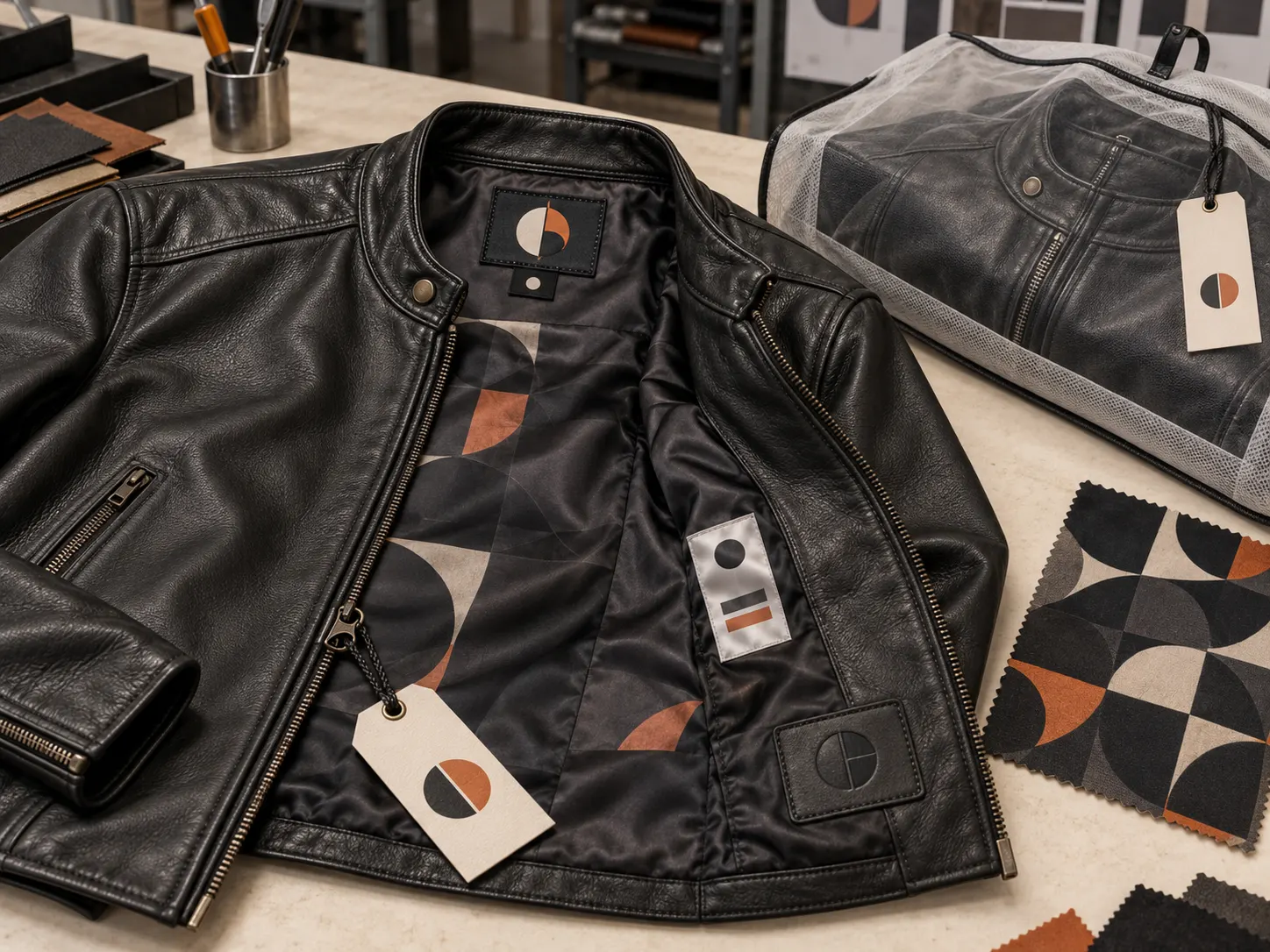
A custom leather jacket can be finished as a complete private-label product ready for your retail or distribution workflow. Branding can extend beyond the external logo to lining, labels, hardware and packaging.
- Custom woven main labels
- Size labels
- Care and composition labels
- Leather or debossed brand patches
- Custom printed or jacquard lining directions
- Hang tags
- Woven side tabs
- Custom zipper pull or metal badge direction where feasible
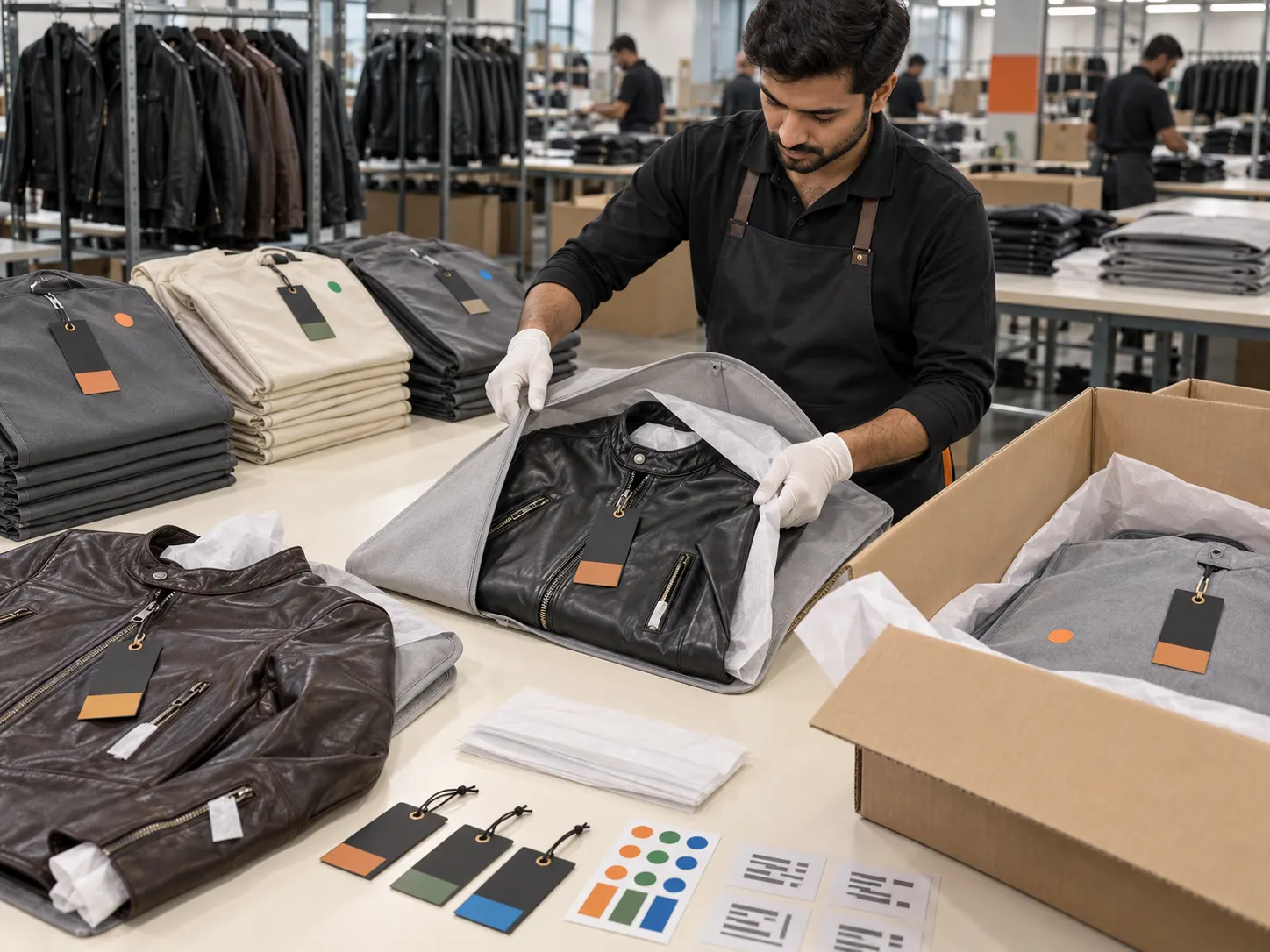
- Protective garment bags
- Carton packing and size identification
Care and composition information should reflect the actual shell, lining and trims used. See our custom clothing labels and packaging guide.
Custom Leather Jacket Manufacturing Process
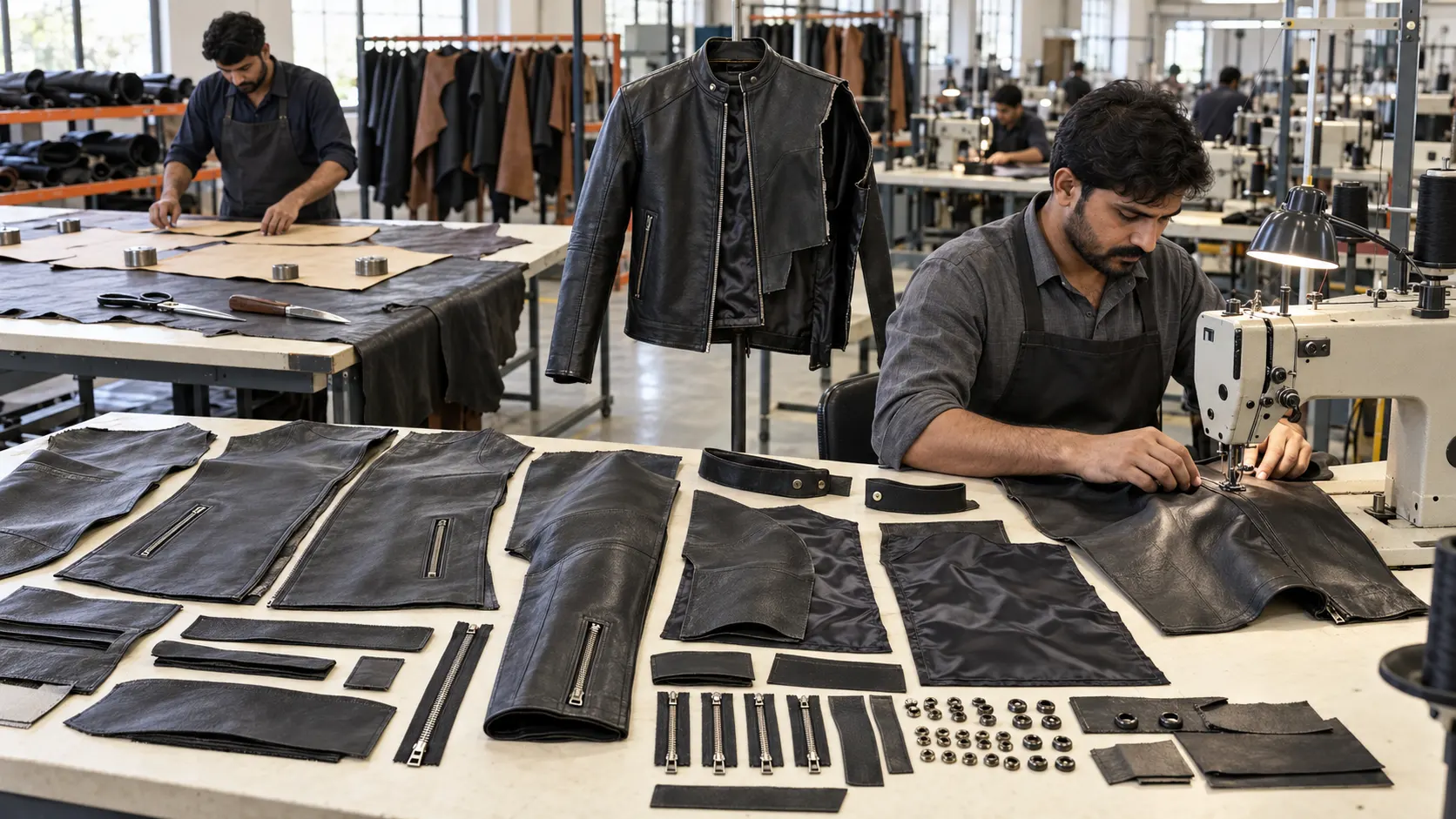
Leather production should follow the approved sample, leather reference, colour and finish standard, hardware approvals, measurements and construction details. The exact workflow varies by design, but a typical custom leather jacket programme includes the following stages.
1. Design & Brief
Define jacket style, intended use, leather direction, colour, fit, branding, quantity and destination.
2. Tech Pack
Confirm measurements, panels, collar, pockets, zippers, hardware, lining, stitching and labels.
3. Leather & Trim Sourcing
Select leather reference, lining, zippers, snaps, buckles, thread and supporting trims.
4. Pattern Development
Create the base pattern around leather thickness, fit, mobility and construction.
5. Sample Development
Build a physical sample using the intended leather and hardware direction.
6. Fit & Material Review
Assess leather hand, grain, shade, fit, movement, collar, pockets, hardware and lining.
7. Corrections & Approval
Update controlled specifications after sample feedback.
8. Size Grading
Develop the approved size range while maintaining proportions.
9. Leather Inspection & Sorting
Review hides or panels for shade, grain, defects, usable area and consistency.
10. Panel Placement & Cutting
Position pattern pieces to control grain, shade, stretch and visible surface character.
11. Skiving & Reinforcement
Prepare selected seam areas and reinforcement components where required.
12. Branding & Decoration
Apply approved embroidery, embossing, patches or other decoration at the correct stage.
13. Sewing & Assembly
Assemble leather panels, pockets, zippers, collar, sleeves, lining and hardware.
14. Finishing & QC
Inspect measurements, leather appearance, stitching, hardware, lining, labels and overall finishing.
15. Packing & Shipping
Protect, identify and pack finished jackets for bulk shipment.
Leather Jacket Quality Control
Leather-jacket quality control needs to inspect both garment construction and the natural characteristics of the material. Approved leather and sample references help define what degree of grain, shade and surface variation is acceptable for the project.
- Finished garment measurements
- Leather shade and panel matching
- Grain and surface consistency
- Visible scars, holes or unacceptable defects
- Panel symmetry
- Stitch length and topstitch alignment
- Seam puckering or excessive bulk
- Zipper operation and alignment
- Snap, buckle and hardware security
- Pocket position and function
- Collar and lapel shape
- Lining attachment and internal cleanliness
- Embroidery, embossing or patch placement
- Labels and size identification
- Surface marks, oil, adhesive or handling damage
- Packaging and carton assortment
What Should You Send for a Custom Leather Jacket Quote?
The more complete the brief, the more accurately the leather, construction, tooling and quotation can be reviewed. A complete tech pack is ideal, but a clear reference can be enough to begin development.
- Front, back and detail reference images
- Jacket style: biker, racer, bomber, aviator, varsity, trucker, blazer or other
- Preferred leather species or material direction
- Desired softness, thickness direction and surface finish
- Colour or colour reference
- Fit and measurement requirements
- Collar, cuff and hem construction
- Pocket and zipper details
- Hardware finish
- Lining type or custom lining artwork
- Embroidery, embossing, patches or other branding
- Private-label requirements
- Quantity and size breakdown
- Packaging requirements
- Destination and target delivery date
MOQ, Leather Jacket Samples & Bulk Production
Typical MOQ
Stitch Expo commonly works around 20–30 pieces per design for custom apparel projects where leather, colours, trims and tooling permit. Exact leather-jacket minimums are confirmed after reviewing the design.
Sample Development
Typical custom apparel samples can be around 7–11 working days once specifications and required materials are ready. Special leather sourcing, custom hardware or complex construction can require longer.
Bulk Production
Typical custom apparel bulk production can be around 12–20 working days for suitable programmes. Leather selection, custom finishes, tooling, larger quantities and complex construction can extend the timeline.
Leather-jacket sampling should approve the actual material direction, colour, grain, fit, collar, sleeve mobility, pocket access, zipper and hardware function, lining, branding and finishing before bulk production.
Leather Jacket Manufacturing for Fashion, Streetwear, Motorcycle & Retail Brands
Fashion Brands
Soft leather bombers, racers, blazers, overshirts and contemporary seasonal outerwear.
Streetwear Brands
Oversized leather jackets, contrast panels, custom hardware and branding-led designs.
Motorcycle-Inspired Brands
Biker and cafe-racer silhouettes with structured leather, zippers and reinforcement styling.
Heritage & Lifestyle Brands
Aviator, trucker and vintage-influenced jackets with natural-grain or distressed directions.
Retailers & Distributors
Consistent size grading, private labels, SKU identification and bulk packing.
Startup Clothing Brands
Sample-first development from a sketch, reference jacket or tech pack.
Custom Leather Jacket Manufacturing for International Brands
Stitch Expo works with custom apparel projects for buyers in markets including the USA, United Kingdom, Canada, Europe, Australia and other destinations. For international leather-jacket programmes, physical sample approval is especially valuable because leather hand feel, grain, weight, shade and drape are difficult to evaluate fully from digital mockups.
Seasonal collections should allow enough time for leather sourcing, sample development, corrections, hardware or embossing tooling where required, bulk production and international shipping. If a jacket must meet a specific compliance or protective-performance requirement, include that requirement before development so the correct materials, construction and testing path can be considered.
Custom Leather Jacket Manufacturer FAQs
Do you manufacture fully custom leather jackets?
Yes. Projects can define the leather or material direction, colour, grain, finish, fit, lining, collar, pockets, zippers, hardware, stitching, decoration, labels and packaging.
What types of leather can be used for jackets?
Depending on the design and sourcing, common directions can include cowhide, sheepskin or lambskin, goatskin, suede and nubuck. Selected leather alternatives can also be considered when requested.
What is the difference between cowhide and lambskin for jackets?
Cowhide is generally more substantial and structured, while lambskin is typically lighter and softer. The actual feel depends on thickness and finishing, so the sample leather should be reviewed rather than relying on species name alone.
Can you make leather biker jackets?
Yes. Biker-inspired jackets can be developed with asymmetric or straight front zippers, lapels, snaps, belts, wrist zippers, pockets and custom paneling.
Can you make cafe racer leather jackets?
Yes. Cafe-racer styles can use a clean stand collar, straight front zipper, slim or relaxed fit, zip pockets and minimal paneling.
Can you make leather bomber jackets?
Yes. Leather bombers can be developed with custom body leather, lining, rib trims or leather-finished cuffs and hems, pockets and private-label details.
Can you make oversized leather jackets?
Yes. Oversized proportions should be built intentionally into the pattern so the shoulder, body, sleeve and hem relationships remain balanced.
Can you create vintage or distressed leather finishes?
Vintage, worn or distressed directions may be developed when suitable leather and finishing methods are available. The approved sample should define the intended degree of variation.
Can you emboss or deboss a logo on leather?
Yes, where the leather and finish are suitable. A dedicated die may be required, and the impression should be tested on the production leather before bulk application.
Can leather jackets be embroidered?
Yes, on suitable leather panels. Needle choice, backing, stitch density and placement need to be planned because needle holes in leather are permanent.
Can you make custom lining for leather jackets?
Yes. Lining can include smooth woven, satin-style, quilted or custom printed directions depending on the design and sourcing.
Can you use custom zippers, snaps and buckles?
Yes. Standard and custom hardware directions can be considered. Fully custom metal components or pullers may require tooling and higher minimums.
Do you provide private labels and packaging?
Yes. Private-label programmes can include woven labels, size and care labels, hang tags, leather patches, woven tabs, protective garment bags and bulk packing.
What is your MOQ for custom leather jackets?
Stitch Expo commonly works around 20–30 pieces per design for custom apparel where the selected leather, colour, trims and tooling permit. Exact minimums are confirmed after reviewing the specification.
Can I order a leather jacket sample first?
Yes. Sampling is strongly recommended so the leather, colour, fit, hardware, lining, stitching and branding can be reviewed before bulk production.
How long does a custom leather jacket sample take?
Typical custom apparel samples can be around 7–11 working days once specifications and required materials are ready. Special leather sourcing, finishing or hardware can increase the timeline.
How long does bulk leather jacket production take?
Typical custom apparel bulk production can be around 12–20 working days for suitable programmes, while leather selection, special finishes, custom hardware and larger quantities can require longer.
Do you make motorcycle protective jackets?
Motorcycle-inspired styles can be developed. If a jacket is intended to provide certified protective performance, the required standard, armour, materials, construction and testing need to be defined separately before development.
Can you manufacture leather jackets for women and unisex collections?
Yes. Patterns can be developed for menswear, womenswear, unisex or brand-specific fit blocks according to the supplied measurement requirements.
Do you ship leather jackets internationally?
Yes. International shipping can be arranged according to the order, destination, delivery requirements and available courier or freight method.
Manufacture Your Custom Leather Jacket With Stitch Expo
Send your tech pack, reference images, leather direction, colour, fit, hardware, lining, branding, size range and quantity. We can review the project, develop a sample and prepare your private-label leather jacket for bulk manufacturing.